
News & Blog
Wahaso – Water Harvesting Solutions News & Blog

LEED v4 Compliance Made Easy: Cooling Tower Water Use Reduction
To Help buildings achieve LEED v4 compliance, Wahaso has developed the CT Recover cooling tower blowdown recycling system.

Maximizing Cooling Tower Efficiency: Wahaso’s Water Conservation Solutions
Cooling tower efficiency is a critical concern for building owners, facility engineers, and maintenance staff tasked with optimizing the performance of HVAC systems.

Regulatory Standards for Water Harvesting in Commercial Buildings
Water harvesting in commercial buildings is becoming increasingly essential as businesses strive to adopt sustainable practices. Regulatory standards play a crucial role…
Rethinking Detention Tank Sizing with Reuse and Active Drawdown
In many stormwater designs, detention tanks are sized under the most conservative assumption: the tank does nothing during the storm.
Unlocking Retrofit Potential: A Framework for Water Reuse in Existing Buildings
While new construction projects often dominate the conversation around water harvesting, the built environment tells a different story.
Legionella Control in Cooling Towers: Manage Risk and Push Higher Cycles of Concentration
Cooling towers sit at the intersection of building health, energy performance, and water efficiency. They also represent one of the most common environmental sources of Legionella risk. Legionnaires’ disease outbreaks are frequently traced back to poorly maintained towers where warm, stagnant water, nutrients, and biofilms allow bacteria to thrive.
Stormwater Detention Systems and Reuse Opportunities for Commercial Projects
Detention temporarily stores runoff and then releases it at a controlled rate so post-development peak flows approximate pre-development conditions (mitigating flooding/erosion).
Understanding Water Reuse Codes: Stormwater, Greywater, and Rainwater Harvesting Laws
Most jurisdictions anchor onsite water harvesting or reuse to their plumbing code, public health rules, and any local non-potable programs. Let’s discover Water Reuse Codes and Laws.
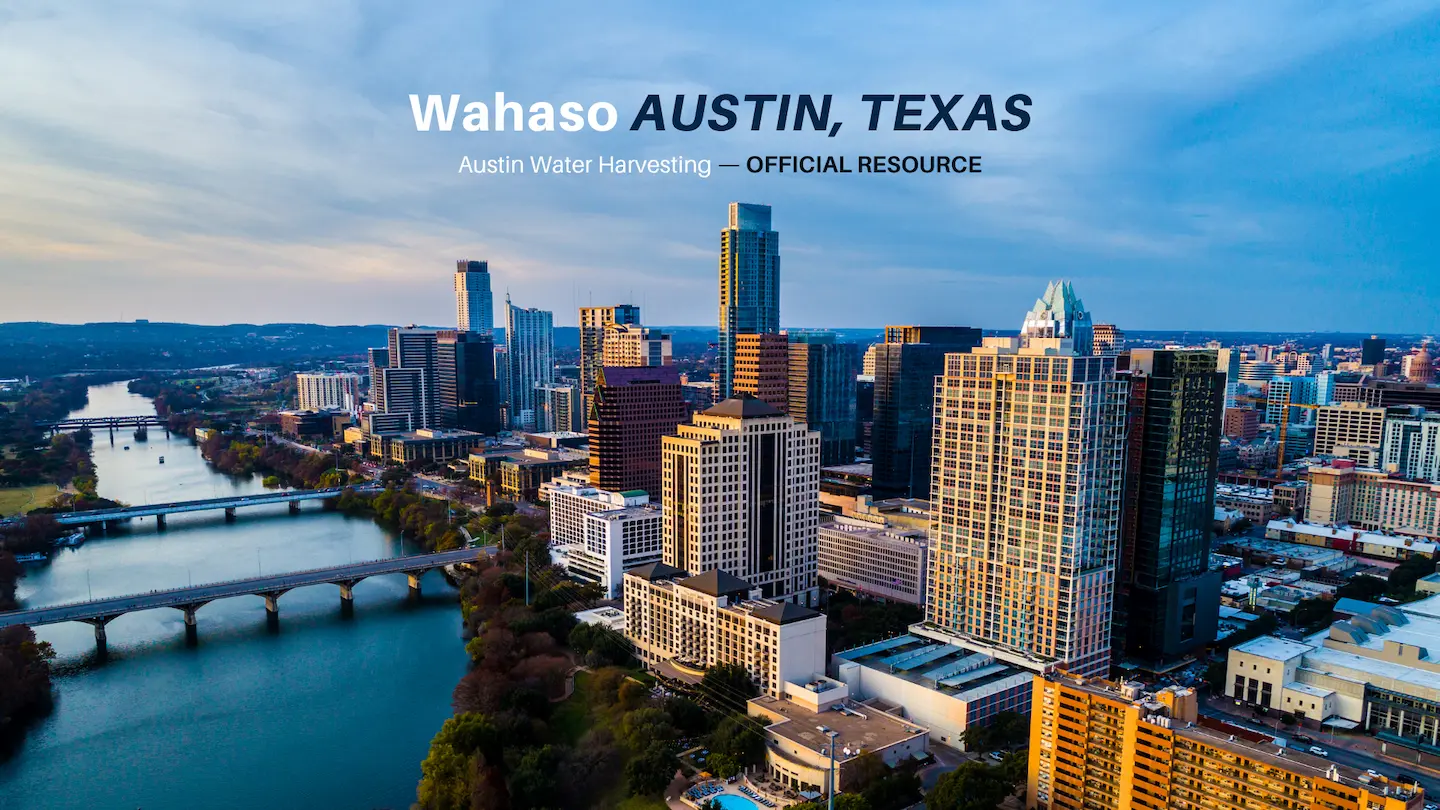
Wahaso Supporting Onsite Water Reuse Systems in Austin, TX: A Sustainable Future
Discover how onsite water reuse systems are transforming water conservation in Austin, TX. Learn why sustainable water practices are essential for Austin’s future.

Cooling Tower Blowdown Solutions for Property Managers: Boost Sustainability in Commercial, Industrial, and Multi-Family Buildings
Discover how property managers can enhance sustainability with cooling tower blowdown solutions. Learn how Wahaso’s Cooling Tower Reuse System reduces water waste, supports green initiatives, and optimizes efficiency in industrial, commercial, and residential multi-family properties.

How to Use a Water Audit to Identify Major Savings in Commercial Buildings
As water costs rise and sustainability standards tighten, more commercial building owners are taking a closer look at their water consumption. A water audit is the critical first step

Turning a Problem into a Resource: Groundwater Seepage, Basement Flooding, and the Power of Groundwater Reuse
Groundwater seepage is more than just an annoyance—it’s a persistent challenge for building owners and developers.

Cooling Tower Calculations for Property Managers: Optimize Capacity and Tonnage for Sustainable Commercial, Industrial, and Multi-Family Buildings
Learn how property managers can leverage cooling tower calculations, capacity calculators, and tonnage tools to enhance sustainability.

Press Release: Swarthmore College Advances Sustainability with Wahaso’s Water Harvesting System at Sharples Commons
Swarthmore College has taken a significant step toward sustainability with the completion of a rainwater and condensate harvesting system for its new Dining and Community Commons, also known as Sharples Commons.
Greywater Recycling System Technology For Commercial Buildings
Commercial buildings are turning to innovative solutions to reduce their water footprints, and grey water recycling systems stand out…

AP News: Wahaso Introduces Innovative Cooling Tower Reuse System for Enhanced Water Efficiency in Commercial Buildings
Designed to significantly reduce water consumption and operational costs associated with cooling towers, this new system marks a pivotal step towards sustainable building practices

Industries That Implement Commercial Water Harvesting Systems
As industries face increasing water scarcity, many are turning to commercial water harvesting systems. From offices to hotels…

Maximizing Sustainability with Commercial Rainwater Harvesting Systems by Wahaso
Commercial buildings are increasingly adopting innovative water conservation strategies. Use of Rainwater Storage Systems or rainwater harvesting…

Regulatory Standards for Cooling Towers in the United States
Cooling towers are critical components in various commercial and industrial applications, such as HVAC systems, power generation, and manufacturing processes.

Optimizing Industrial Cooling Towers: Wahaso’s Innovative Water Reuse System
Industrial facilities with large cooling towers face significant challenges in water management. Wahao’s Cooling Tower, CT Recover offers…

Sustainable Water Management: A Deep Dive into Cooling Tower Blowdown Solutions by Wahaso
A technical exploration of Wahaso’s innovative approach to cooling tower blowdown management and cooling tower treatment.
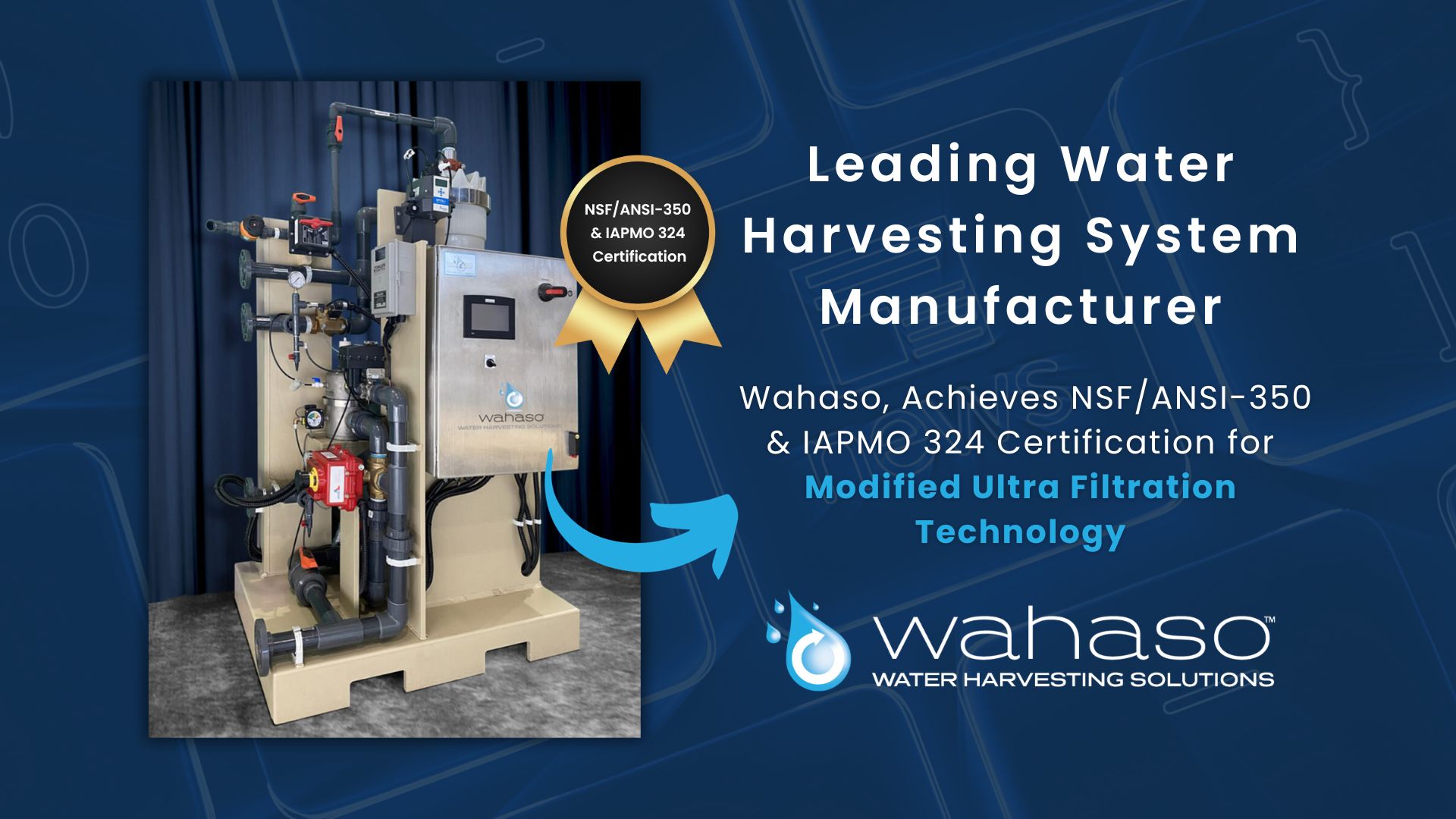
Leading Water Harvesting System Manufacturer, Wahaso, Achieves NSF/ANSI-350 & IAPMO 324 Certification for Modified Ultra Filtration Technology
Press Release: Water Harvesting System Manufacturer Achieves NSFANSI-350 & IAPMO 324 Certification for Modified Ultra Filtration Technology
Discover Popular Industries That Implement Commercial Rainwater Harvesting Systems
Commercial rainwater harvesting systems have gained popularity across various industries as sustainability and eco-friendly practices…
Water Conservation Facts, Data Collection & Water Harvesting System Planning
Wahaso explores the essential facts about water conservation and delves into the design and implementation of water harvesting systems…
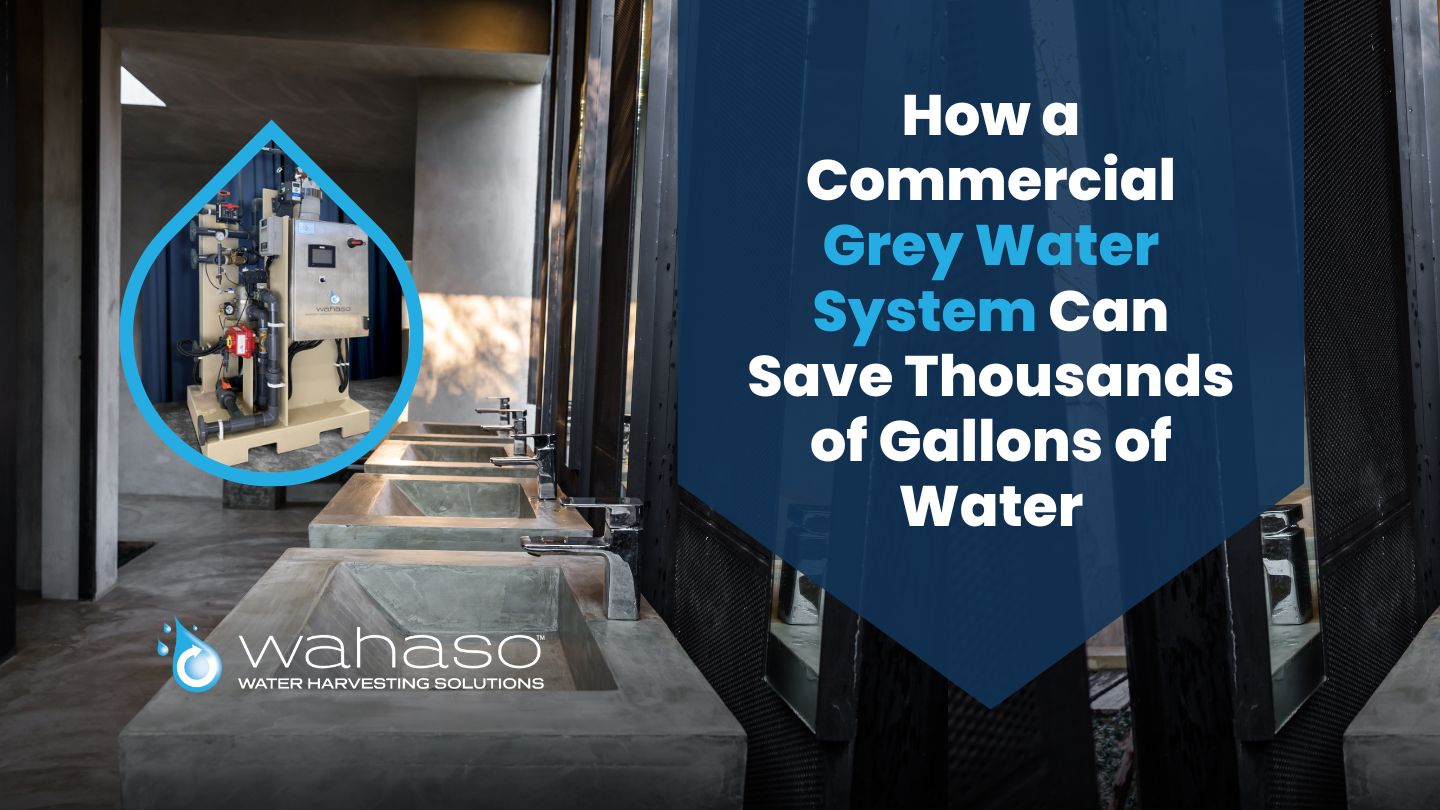
How Grey Water Systems Can Save Millions of Gallons of Water
Grey water, from lavatory sinks, showers, and washing machines, is an inherently plentiful source to help foster reduction of potable water consumption.
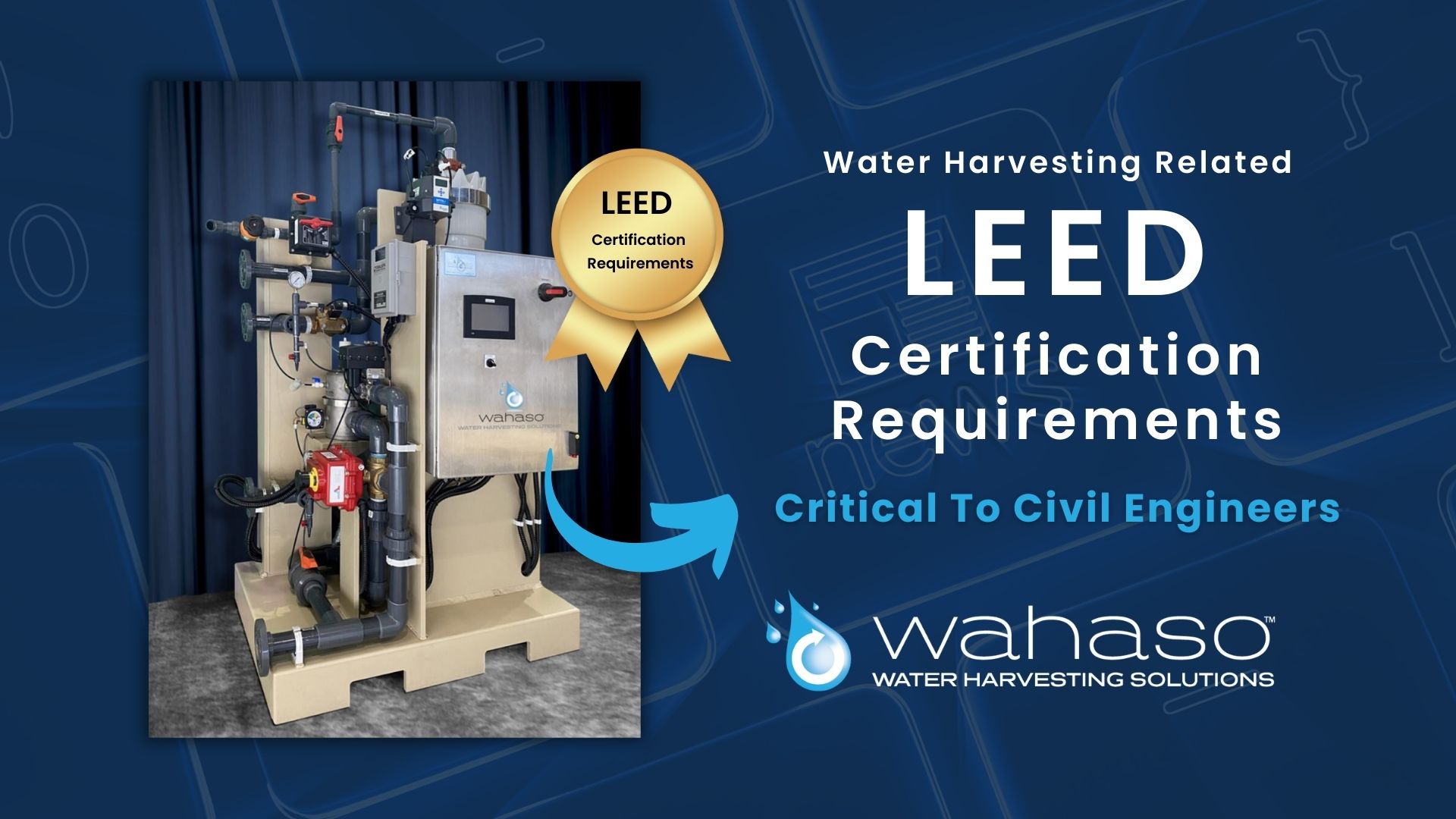
Water Harvesting Related LEED Certification Requirements Critical To Civil Engineers
When working on projects seeking LEED certification, civil engineers, tasked with designing and implementing water management systems…
Growing Concern About How to Remove PFAS From Water
PFAS contamination is of particular concern these days with water reuse. Wahaso offers advice and consultative guidance on the challenge of finding sustainable water treatment solutions.
Grey Water Filtration System for Commercial Buildings
Greywater is easier to filter and reuse, so it is safer for gardens and secondary purposes. Discover Wahaso Grey Water Filtration Systems.
How Regional Variations Impact the Design of Water Harvesting Systems in the United States
Designing commercial-scale water harvesting systems requires careful consideration of regional geographical and climatic factors common to a project’s location.
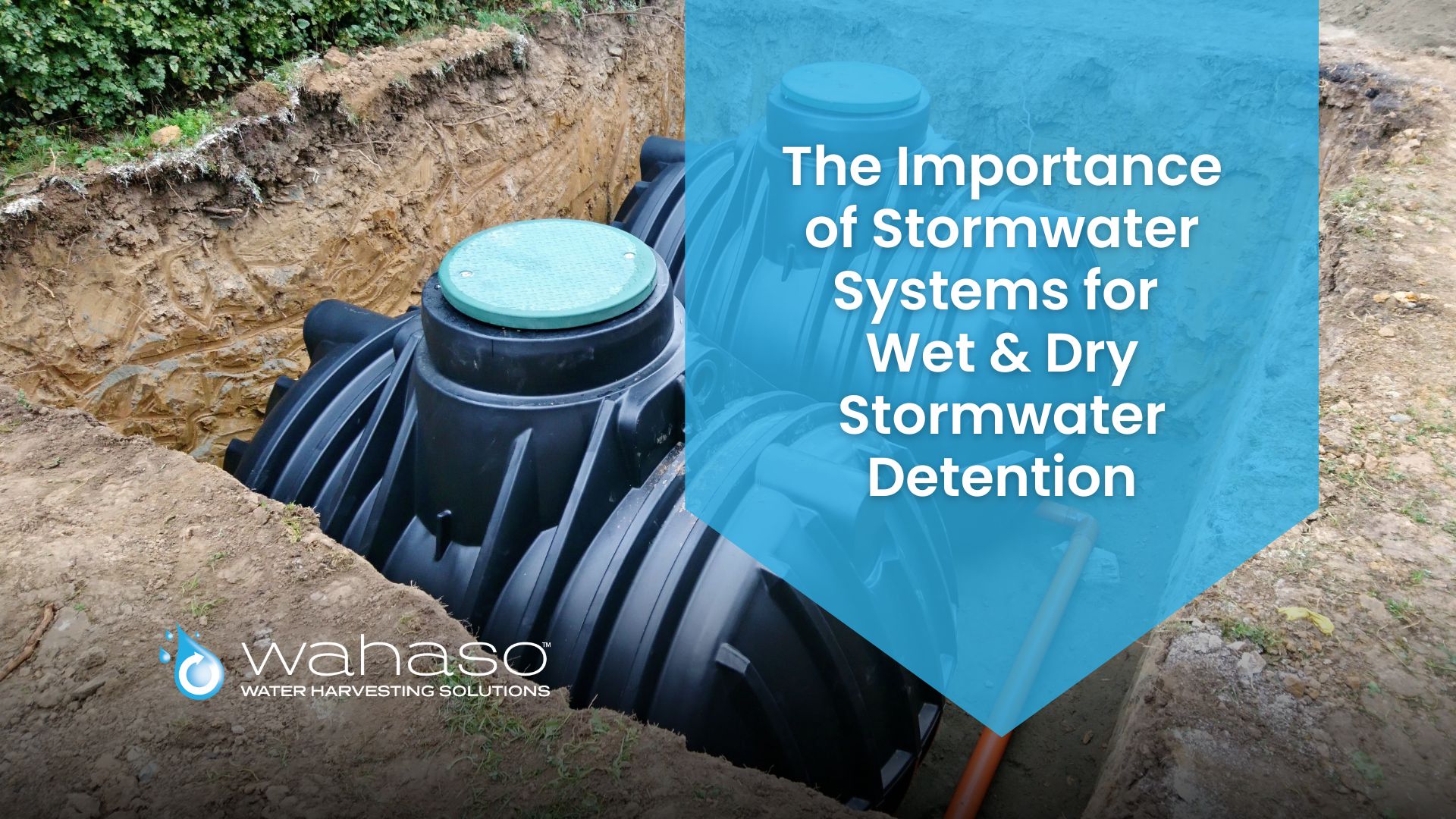
The Importance of Stormwater Management & Stormwater Harvesting Systems
Areas that experience high rainfall are at risk of flooding and need stormwater management and many times implement stormwater harvesting systems.
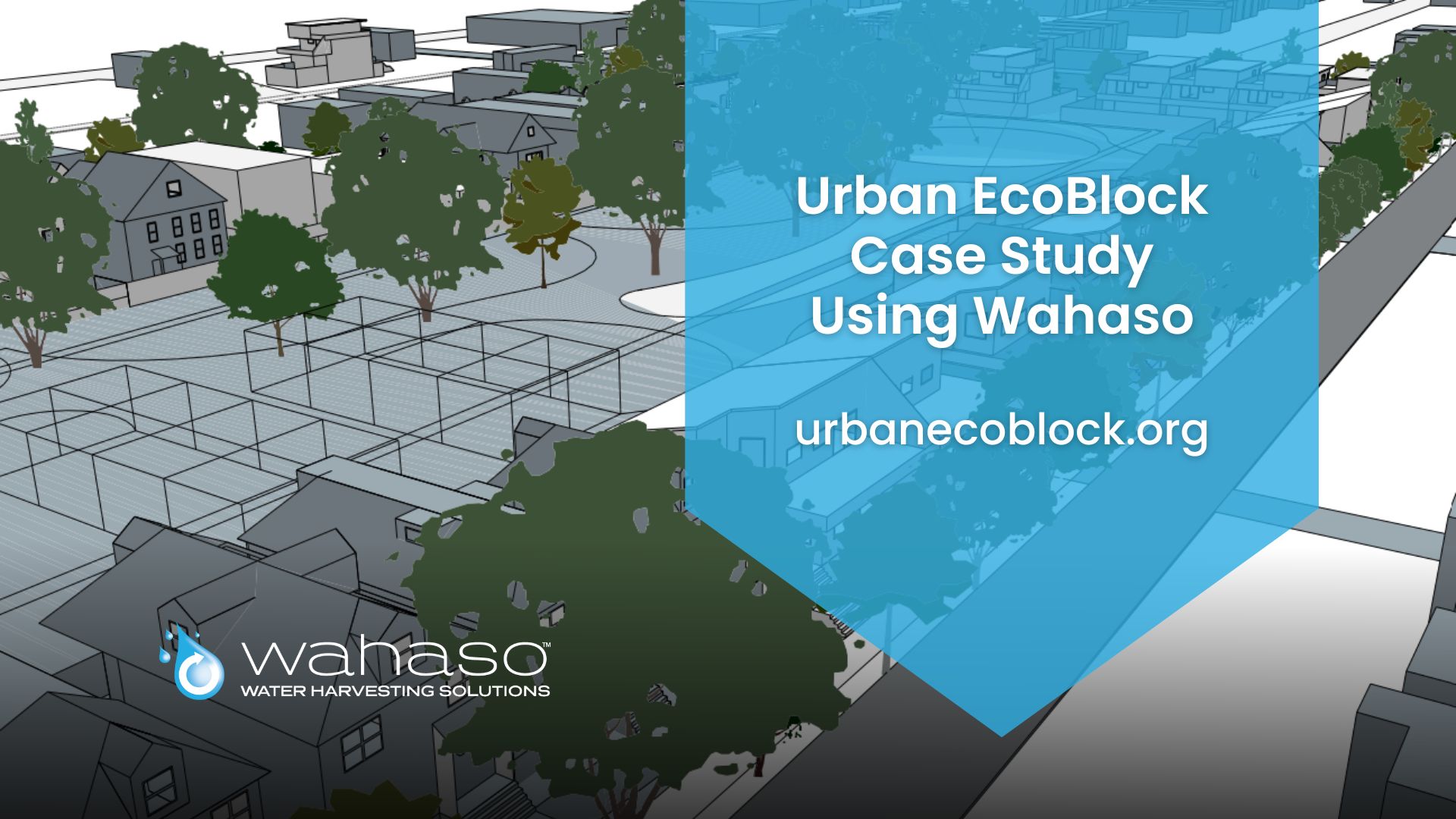
Wahaso To Design A Water Harvesting System For Urban Ecoblock Case Study
Wahaso to design a water harvesting system using this case study as a model. This is in response to a request from the City of St. Louis to demonstrate…
Implementing Water Harvesting for Reasons Beyond Simple Economic Returns
Not all water harvesting projects offer clients a short enough payback period, so other motivations, such as ESG, water conservation, and resilience goals are considered.
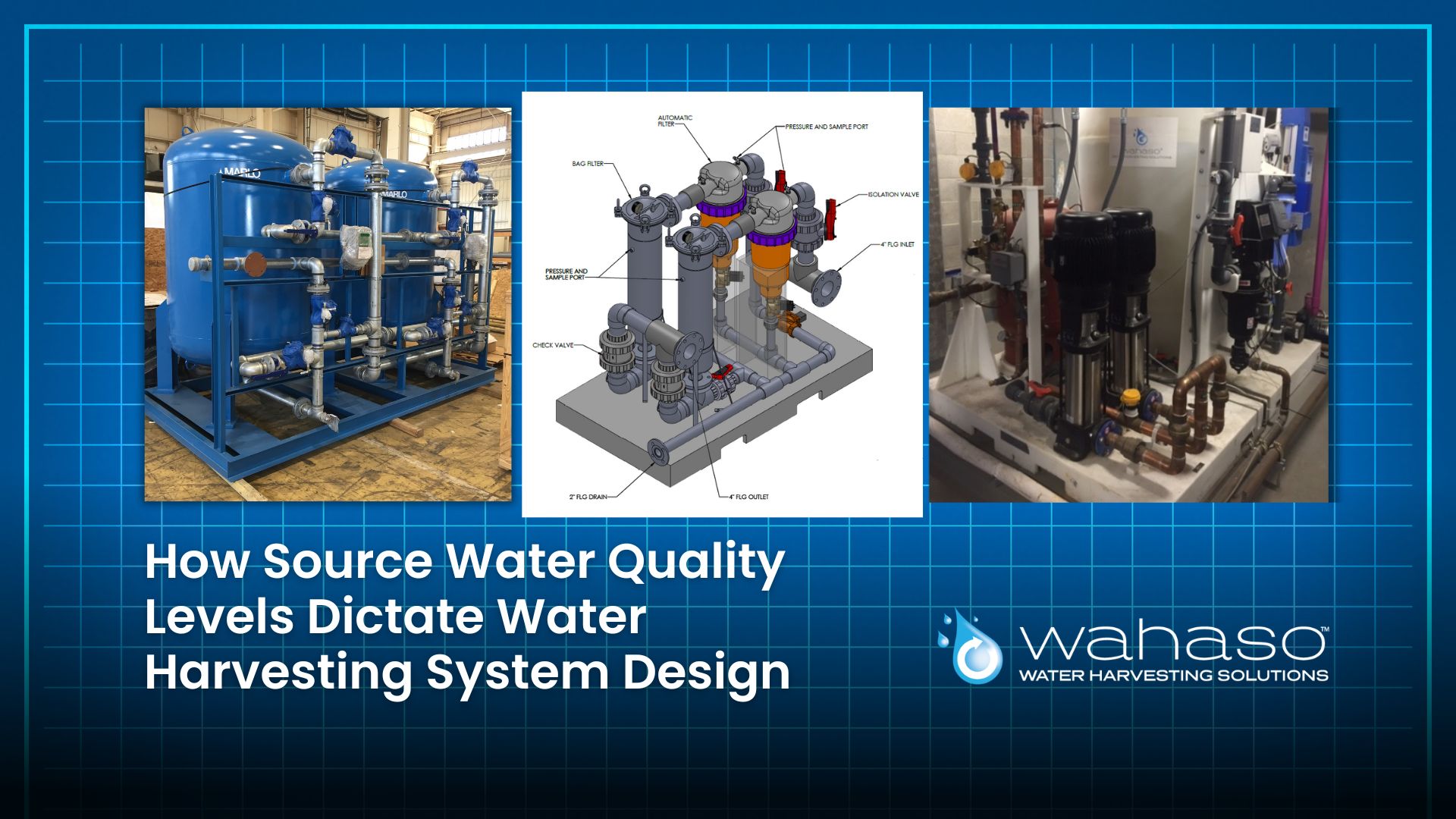
How Source Water Quality Levels Dictate Water Harvesting System Design
One of the most crucial factors influencing the overall design of a water harvesting system is the quality of the source water, specifically its contaminant levels.
How Various Increasing Stresses Are Impacting Water Harvesting Projects
Water scarcity, driven by factors such as population growth and emerging climatic factors, has resulted in dwindling water supplies, and the need to explore Water Harvesting.
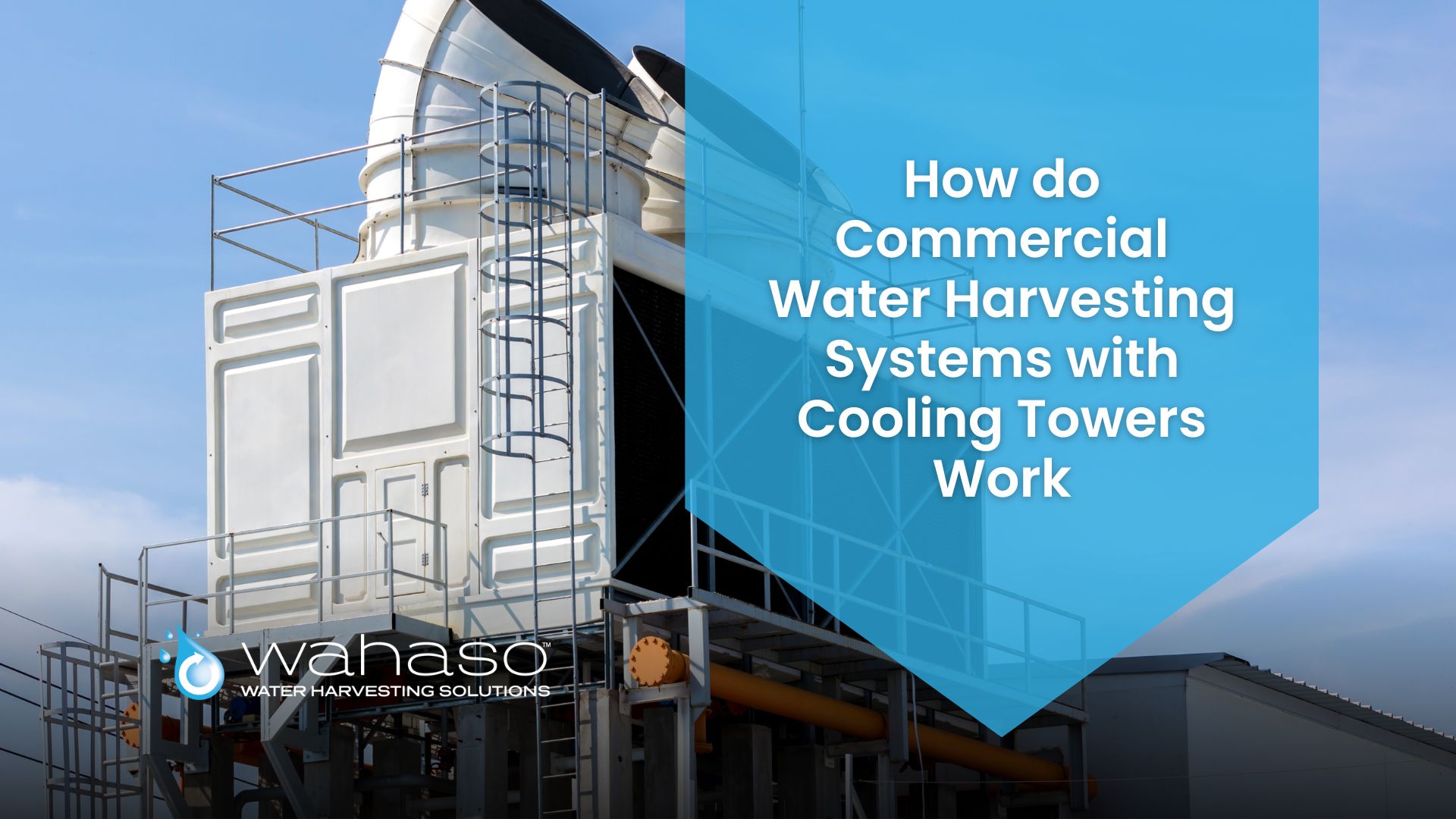
The Benefits of Commercial Water Harvesting Systems for Cooling Tower Makeup
Commercial & Institutional buildings are often cooled by evaporative cooling towers, Representing a significant volume of potable water…
Exploring Key Differences of Commercial Water Recycling Systems in Rural and Urban Projects
Commercial water recycling systems play a vital role in conserving potable water, and their scope and operation differ for rural and urban projects…
Great day to be a part of the Conservation Showcase - Event hosted by @usgbcncc https://t.co/tLAOFrJejV
— Wahaso (@Wahaso) June 16, 2023
Our website: https://t.co/8Zd07Qi7hN#waterharvesting #waterconservation #events pic.twitter.com/ImpYyKHnld
Cooling tower water costs have increased by over 30% in the last decade—and they’re only going higher.
— Wahaso (@Wahaso) February 27, 2025
See how much you could save today! Access Wahaso's Cooling Tower Savings Calculator here: https://t.co/aHz911vYp3#coolingtowers #waterrecycling pic.twitter.com/2h8n2iwBqR
Industries That Implement Commercial Water Harvesting Systems. Learn more: https://t.co/ToZ8hVua7O#WaterConservation #waterrecycling #WaterHarvesting pic.twitter.com/cERlJ3Db7S
— Wahaso (@Wahaso) October 31, 2024
The Water Harvesting Solutions (Wahaso) team brings experience, skill and passion about water conservation to every client project. Review dozens of our highlighted project case studies here: https://t.co/JNdKd85r3M#waterharvesting #waterconservation #wahaso #saveourplanet pic.twitter.com/FCSEemNbqs
— Wahaso (@Wahaso) October 23, 2024
Since 2004
Wahaso Mission
Our mission at Wahaso is to help municipalities and commercial property owners reduce the impact of their buildings on the environment through innovative and sustainable water practices.
Call For A Free Estimate
Phone: 800-580-5350
Wahaso
Water Harvesting Solutions
Members of the U.S. Green Building Council (USGBC) www.usgbc.org
View Certifications